Docs Playbook
Object Storage Unused Buckets
Clean unused object buckets before they become governance debt.
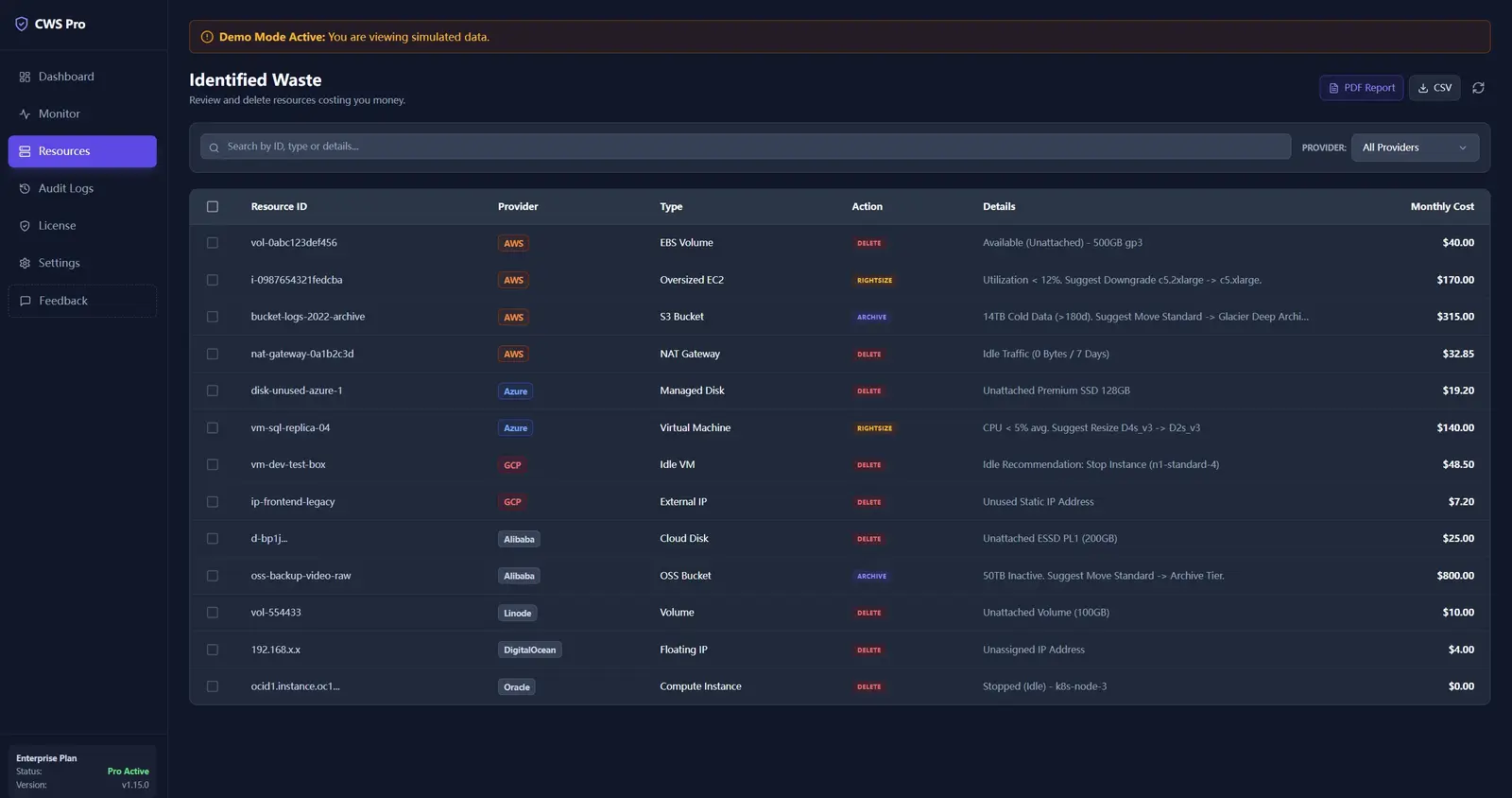
Object storage spread across teams often leaves inactive containers that retain policy complexity and spend.
Detection Signals
- Empty or near-empty buckets with no recent object lifecycle activity.
- No linked application/service owner metadata.
- No compliance hold or archival requirement.
Execution Steps
- Validate owner and data-retention requirements.
- Check access policy and external dependencies.
- Delete inactive buckets or merge into governed storage targets.
- Document action and expected cost impact.
Provider Differences
| Provider Group | Operational Notes |
|---|---|
| AWS/GCP/Azure | S3/GCS/Blob container cleanup patterns. |
| Cloudflare/Backblaze/Wasabi | Unused object buckets in edge storage. |
| MinIO/Ceph/Scality | Self-managed object buckets with weak lifecycle control. |
| Alibaba/Tencent/Huawei | OSS/COS/OBS cleanup in multi-region estates. |
Share
Pass the cleanup path to the next reviewer
Send the same remediation steps to engineering, finance, or the owner who needs to sign off.
Next Step
Run a focused scan, validate owners, then export evidence for approval and execution.
Save your first $1,000 before the next billing cycle.